What does it mean to manage/regulate yourself (self-regulate) and others during learning experiences? How does it bring you towards goals? How important is communication in this process and what helps/impedes it?
Self-regulation is a critical component to the learning process, and a pivotal aspect to finding balance for successful outcomes in all areas of life. Merriam-Webster defines self-regulation as the act or condition of bringing oneself into a state of order, method, or uniformity. As a graduate student, enduring the sudden pressure of navigating through the uncertainty of the COVID-19 crisis, I must take this opportunity to quietly reassess and evaluate stressors in my everyday life. Now, more than ever, I must find balance and prioritize my time for activities that bring value, peace, and order to my life.
The unplanned events in life, can periodically be like a roller coaster. We all endure periods of highs and lows throughout our unique timelines. This creates a challenge in finding work-life balance through these storms. You can feel like you are on top of the world, and every door is opening up for you with ease, or like every door is slamming in your face, no matter how hard you try to achieve something. The human experience packs our 80+ years of existence with so many exciting twists and turns, from marriage, birth announcements, break-ups, graduations, career changes, new homes, or even death of a loved one. These major life events don’t always occur during times that are most convenient. We are simultaneously dealing with various types of fear, grief, insecurity, overwhelm, depression, medical issues, extreme joy, moving stress, personal conflicts and loneliness, to name a few. Some of these emotions make learning more difficult to achieve. When life is weighing you down with burdens, you may portray non-verbal body language to others, which communicates your feelings more powerfully than the words you use. So how do we continue to push forward during these times in our lives, when we feel small and unable to manage the pressure? Clear communication is a vital component of a learning environment. Student success starts with how we speak to ourselves and our inner dialog channels our success or failure. Feedback from educators or class peers, is another form of communication that is vital to learning outcomes, in order to gain a broader perspective and guidance.
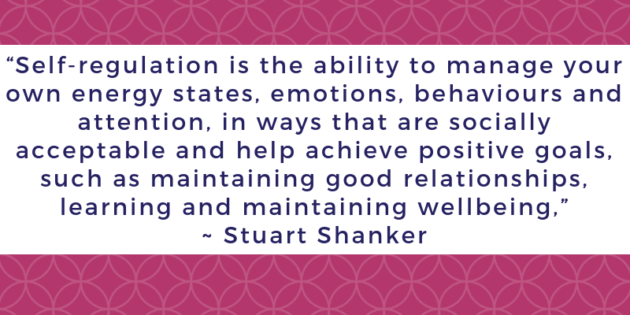
Grad school has shown me that I have it inside of me, to push through challenges, even when I’ve felt like I would crumble and fall. Self-regulation is the way in which people regulate their emotions, cognitions, behaviors, and environment, during a learning experience. “Learning is about one’s relationship with oneself and one’s ability to exert the effort, self-control, and critical self-assessment necessary to achieve the best possible results.”(Linda B. Nilson)
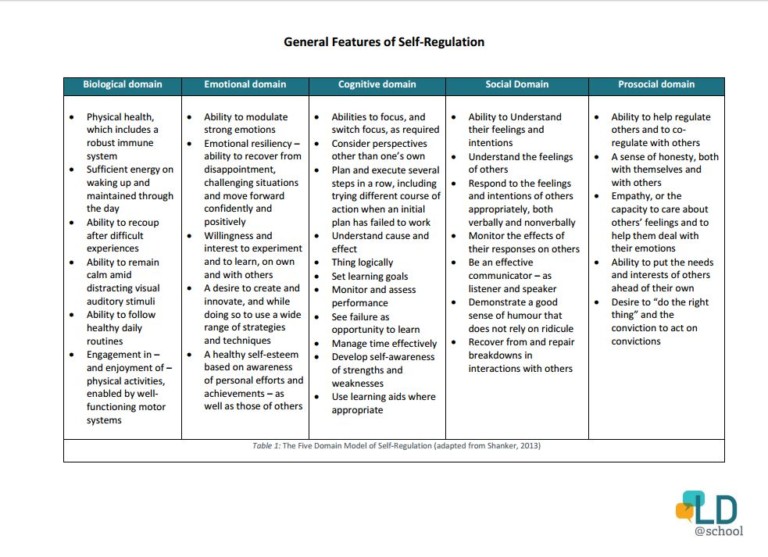
Self-regulated learning involves attaining both knowledge of an ability, as well as other skills such as self-awareness, self-motivation, and the ability to apply what you learned appropriately. Self-regulation consists of applying a specific set of processes selectively to each learning task, based upon personal reflection. Despite the fact that these skills are essential tools for learning, they are rarely taught by educators, which may explain why many students lack independence, motivation, persistence, or a sense of well-being during their academic studies. Students must become familiarized with the most important aspects of self-regulation, which include: planning, performing, and reflecting. This process involves understanding your own emotional response to stress and, setting goals that are achievable despite challenges that you are faced with. It is important for students to learn how to self-monitor their own performance, restructure techniques if unable to meet goals, and provide reflection and detailed instructions to guide themselves through tasks, judge the quality of their own performance, and impose consequences for success or failure. During the reflection stage, students must think about feedback and concepts that can be used in the future, to strengthen learning outcomes. In addition, students must learn to use their time efficiently, evaluate the methods utilized, and be willing to adapt these methods for future learning, as needed.
References:
https://www.change-management-coach.com/self-regulation.html
https://exploringyourmind.com/self-regulated-learning-important/
https://www.ldatschool.ca/introduction-self-regulation/
https://www.psychologytoday.com/us/blog/anger-in-the-age-entitlement/201110/self-regulation
https://www.yourtherapysource.com/product/student-self-regulation-rubrics/
 My Journey Through Instructional Design
I thought this was a great article and much needed. Self-regulation is so important and not everyone knows how to achieve it. Self-assessment is critical in every day life. One must become familiar with self control and learn to strike a balance between work and home in order to manage the stress. Thank you for shedding light on such an important topic.
LikeLike